Options, explained
A treatment plan built around the activity you want back.
Professor Lee offers Botox injections, minimally invasive compartment release and full open release for CECS. Together, you will choose a treatment that fits the affected compartments, your symptoms and the activity you want back, with rehabilitation supporting your progress.

At a glance
Treatment with a clear purpose.
Professor Lee offers Botox, minimally invasive release and full open release, with rehabilitation tailored to the activity you want back.
Work with your activity
Activity and rehabilitation
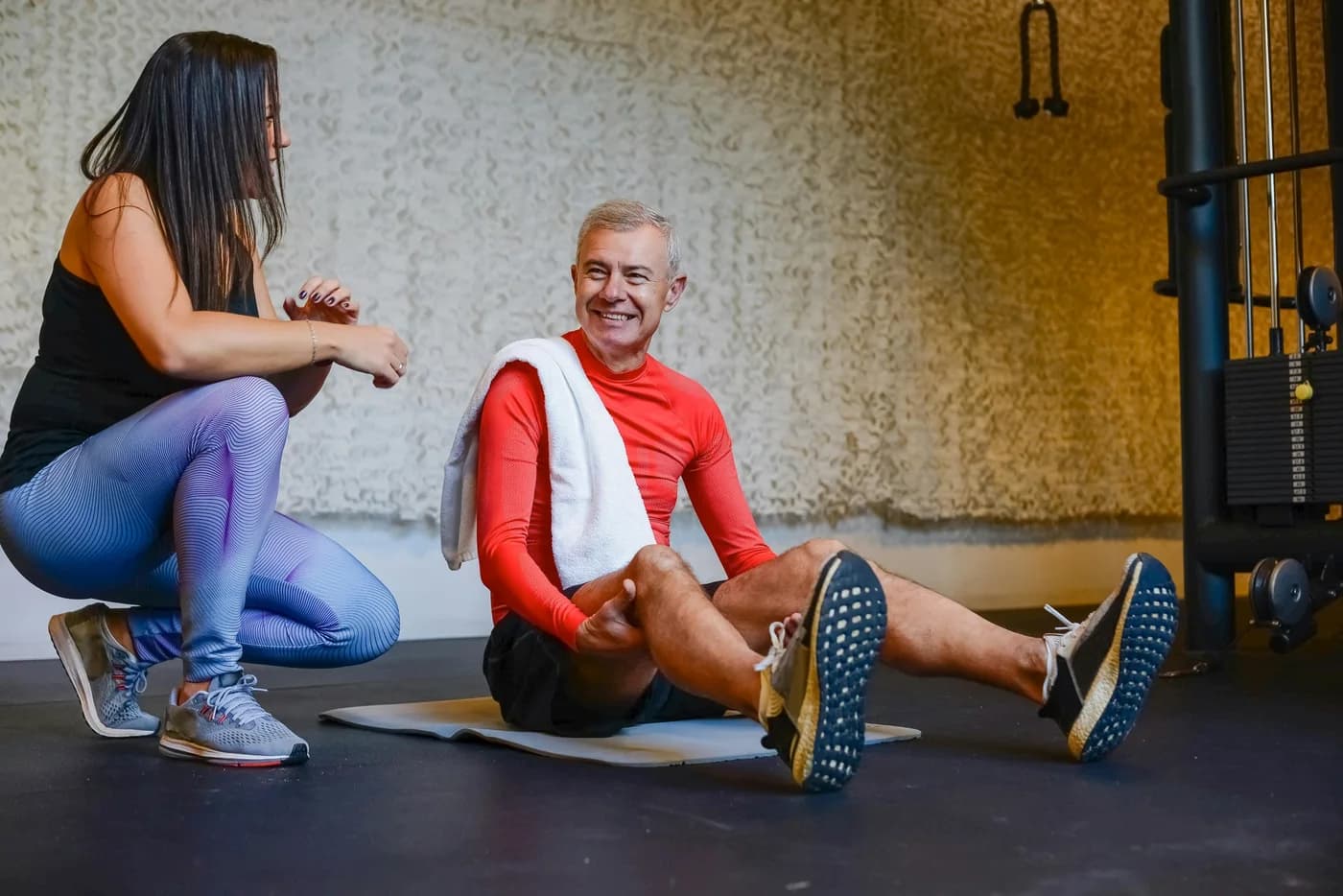
A tailored rehabilitation plan supports movement, strength and activity progression. Adjusting the activities that trigger symptoms and supervised gait retraining can help some people manage CECS. Professor Lee and the rehabilitation team review your response and whether an injection or release would better support your goal.
Buerba et al. (2019): CECS management strategies
A preliminary lower-leg study followed patients for up to nine months. See the published findings and strength effects alongside.
An injection option
Botox injections
Botox (botulinum toxin A) is an injection option offered by Professor Lee for suitable CECS patients. A preliminary lower-leg study of 16 patients reported reduced compartment pressures and relief of exercise pain in 15 patients, followed for up to nine months. Muscle strength decreased in 11 patients, without reported functional consequences in that study. A separate retrospective study of 16 upper- and lower-limb cases found initial benefit in 11 patients, with recurrence common. Professor Lee discusses expected benefit, possible weakness, off-label use and follow-up before treatment.
Isner-Horobeti et al. (2013): botulinum toxin in 16 lower-leg patients · Charvin et al. (2022): botulinum toxin, retrospective study of 16 cases
The injection plan includes a review of your strength, symptoms and return to activity.
Understand the operation
Compartment release surgery
Compartment release, or fasciotomy, opens the fascia around the affected muscles to give them more room during activity. Professor Lee offers minimally invasive release through smaller incisions and full open release, choosing the approach for the compartments involved and the release required.
Human studies report improved symptoms and return to activity with both approaches. In an 18-patient minimally invasive series, 17 returned to their previous or a higher sporting level. In a 50-patient open-release study with mean six-year follow-up, 42 reported improved symptoms. A small comparative study found similar return-to-sport outcomes after open and endoscopically assisted release.
Risks include nerve injury, bleeding, wound problems and persistent or recurrent symptoms. Your surgeon explains these alongside the expected benefit and recovery plan.
Maffulli et al. (2016): minimally invasive release in 18 patients · D’Amore et al. (2022): open and endoscopically assisted release · Moore et al. (online 2024): open fasciotomy, mean six-year follow-up
Professor Lee selects the approach for the compartments that need release.
Your priorities belong in the decision
Decide together
Your consultation brings the options into focus: the benefit you are aiming for, the procedure involved, the recovery plan and the risks that matter to you. Professor Lee explains his recommendation and how progress will be assessed. Rehabilitation and activity adjustments remain part of the conversation, whether you choose an injection, surgery or continued non-operative care.
decisionBenefitsRisksAlternativesYour goal
Common questions
Does everyone with CECS need surgery?
No. Options depend on symptom severity, activity goals, the assessment and response to previous treatment. Surgery and its alternatives should be discussed individually.
What should I ask when comparing treatment options?
Ask about likely benefits, risks, evidence limits, alternatives, activity changes, follow-up and what happens if symptoms persist. Check that the option fits your diagnosis and goals.
Sources and further reading
- Isner-Horobeti et al. (2013): botulinum toxin in 16 lower-leg patients
- Maffulli et al. (2016): minimally invasive release in 18 patients
- D’Amore et al. (2022): open and endoscopically assisted release
- Moore et al. (online 2024): open fasciotomy, mean six-year follow-up
- Buerba et al. (2019): CECS management strategies
- Charvin et al. (2022): botulinum toxin, retrospective study of 16 cases